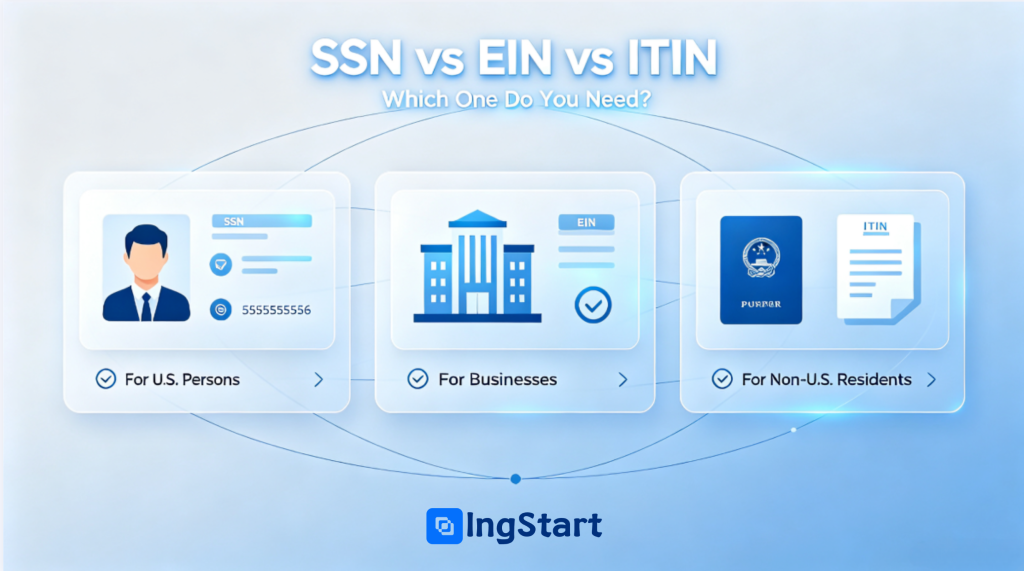

Can Non-U.S. Residents Open a Citi Bank Account? Eligibility, Requirements & What to Expect
If you’re looking to open a U.S. bank account, Citibank is probably one of the first names you’ll come across. With operations in dozens of countries and a long history of serving international clients, Citi has built a reputation as one of the world’s most recognizable financial institutions.
But one question continues to come up among international applicants:
Can non-U.S. residents open a Citi bank account?
The answer is yes—but not everyone will qualify.
Unlike many online financial platforms, opening a Citi account isn’t simply a matter of completing an application and uploading your passport. Whether you’re eligible depends on several factors, including where you live, the type of account you’re applying for, your tax residency, and whether Citi can verify your identity under its compliance policies.
Here’s what international applicants should know before applying.
Does Citi Accept Non-U.S. Residents?
Yes, Citi does work with international customers, but availability varies depending on the country, the banking product, and the specific Citi entity you’re applying through.
For example, someone opening an account with Citi Singapore may face different requirements than someone applying for a U.S.-based checking or savings account. Each jurisdiction follows its own banking regulations, customer verification procedures, and tax reporting rules.
This means there’s no universal application process for every non-U.S. resident.
Instead, Citi evaluates each application based on local regulatory requirements and its own internal risk assessment.
Who Is Most Likely to Qualify?
While eligibility differs from country to country, applicants generally have a stronger chance of approval if they have a legitimate financial or personal connection to the jurisdiction where they want to bank.
Common examples include:
- Living or working in the country
- Owning property locally
- Operating a registered business
- Studying abroad
- Maintaining existing banking relationships with Citi
- Frequently traveling for business or investment purposes
Simply wanting access to U.S. banking services may not be enough on its own.
Banks increasingly expect applicants to demonstrate a genuine reason for opening an account rather than treating international banking as a purely transactional service.
Documents You’ll Typically Need
Although requirements vary by location, most Citi applications require some combination of the following:
- A valid passport or government-issued identification
- Proof of residential address
- Tax Identification Number (TIN), when applicable
- Documentation showing the source of funds
- Visa or immigration documents, if residency status is relevant
- Additional financial information for certain account types
Some applications may also require identity verification through video calls or in-person appointments, depending on local regulations.
Providing complete and consistent documentation can significantly improve the application process.
Can You Open a Citi Account Online?
In some countries, yes.
Citi offers digital onboarding for selected products and markets, allowing eligible customers to begin or complete the application online.
However, online availability shouldn’t be confused with guaranteed approval.
Even when applications are submitted electronically, Citi may request additional documentation or require further verification before the account is activated.
For customers applying outside their country of residence, extra compliance reviews are relatively common.
Why Some Applications Are Declined
Many people assume that having sufficient funds is the most important qualification for opening an international bank account.
In reality, compliance is often the deciding factor.
Financial institutions must comply with global Know Your Customer (KYC) and Anti-Money Laundering (AML) regulations designed to prevent fraud, financial crime, and sanctions violations.
Applications may be declined for reasons such as:
- Identity cannot be fully verified.
- Residential information is incomplete or inconsistent.
- The applicant cannot demonstrate a legitimate banking need.
- Supporting documents don’t meet local regulatory requirements.
- Internal compliance reviews identify elevated risk.
A declined application doesn’t necessarily imply wrongdoing. In many cases, it simply reflects the bank’s regulatory obligations and risk management policies.
Understanding Tax Residency
One area that often causes confusion is the difference between citizenship, residency, and tax residency.
These terms are not interchangeable.
For banking purposes, Citi may need to determine your tax residency in order to comply with international reporting frameworks such as the Foreign Account Tax Compliance Act (FATCA) and the Common Reporting Standard (CRS).
Depending on your circumstances, you may be asked to complete tax certification forms or provide additional information regarding your country of tax residence.
Being a non-U.S. tax resident doesn’t automatically prevent you from opening an account, but it can affect the documentation required and the reporting obligations associated with the account.
Should You Choose a Personal or Business Account?
If you’re opening an account for everyday personal banking, a standard checking or savings account may be appropriate.
However, entrepreneurs and business owners should carefully consider whether a business account better reflects their intended use.
Using a personal account to receive business revenue can create accounting complications and may violate the account’s terms and conditions.
For companies operating internationally, separating personal and business finances is generally considered a best practice. Dedicated business banking can also simplify bookkeeping, tax reporting, and future financial management.
Alternatives If You’re Not Eligible
Not qualifying for a Citi account doesn’t necessarily mean you can’t access international banking services.
Depending on your needs, you may want to explore:
- Banks with dedicated international customer programs
- Multi-currency banking solutions
- Offshore banking services available in your jurisdiction
- Digital financial institutions that support cross-border payments
- Local banks offering U.S. dollar accounts
The right option depends on why you’re opening the account in the first place—whether for saving, investing, international payments, or business operations.
Frequently Asked Questions
Can a foreign citizen open a Citi bank account?
Yes. Citizenship alone doesn’t determine eligibility. Citi accepts international customers in many markets, although application requirements vary depending on the country and account type.
Do I need a U.S. Social Security Number?
Not always.
Some account types may accept alternative forms of taxpayer identification, while others may require U.S.-specific documentation. Requirements depend on the jurisdiction and the banking product.
Can I open a Citi account without living in the United States?
In some cases, yes.
However, approval depends on factors such as your residency status, the country where you’re applying, and whether you satisfy Citi’s compliance and identity verification requirements.
Is opening an account remotely guaranteed?
No.
Even where online applications are available, Citi may request additional verification or require in-person identification before approving an account.
Final Thoughts
Opening a Citi bank account as a non-U.S. resident is certainly possible, but it’s not a one-size-fits-all process.
Your eligibility depends on much more than nationality. Residency, tax status, documentation, and compliance requirements all influence the bank’s decision.
Before applying, take time to understand the specific requirements for the country where you intend to bank. Preparing the necessary documents in advance and ensuring your information is accurate and consistent can make the process considerably smoother.
Ultimately, successful international banking isn’t about finding the fastest application process—it’s about choosing a banking relationship that matches your financial goals while meeting the regulatory standards that govern today’s global financial system.