Are There Any Requirements for Choosing a US Company Name?« Back to Previous Page
|
Yes. A US company name must meet the naming rules of the state where the company is registered. Although each state has its own requirements, most states follow a similar set of basic rules. 1. The US Company Name Must Be AvailableYour proposed company name must usually be distinguishable from names already registered or reserved in that state. Small changes may not be enough. For example, adding punctuation, changing capitalization, or replacing “LLC” with “L.L.C.” may still be considered the same name. Delaware, California, and Wyoming all require business names to be distinguishable in the state’s official records. Before filing, you should search the Secretary of State’s business database in the state where you plan to register. 2. The Name Must Include the Correct Entity DesignatorThe legal name normally needs to show the company’s entity type. For an LLC, common endings include:
For a corporation, common endings include:
The exact wording permitted depends on state law. For example, Delaware corporations generally need an approved corporate designator in their legal name. 3. Certain Words Are RestrictedWords that suggest a regulated business may require additional approval, licensing, or supporting documents. Common restricted terms include:
For example, Delaware may reject or require regulatory review for names containing words such as “Bank” or “Trust.” Registering a name with a regulated term does not automatically authorize the company to provide regulated services. 4. The Name Cannot Be Misleading or ProhibitedA US company name generally cannot falsely suggest that the business is:
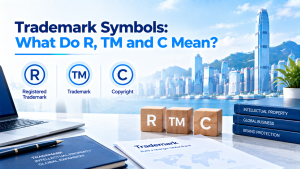
States may also reject names considered deceptive, unlawful, offensive, or harmful. 5. State Approval Does Not Provide Trademark ProtectionApproval from the Secretary of State only means the name meets that state’s entity-registration rules. It does not necessarily mean:
Before registering, it is sensible to check the state database, federal trademark records, domain availability, and major social-media platforms. 6. Can a US Company Use a Different Brand Name?Yes. A company can often operate under a trade name, assumed name, or DBA—“Doing Business As”—without changing its legal entity name. A DBA does not create a separate company. It simply allows the existing business to operate under another public-facing name. Delaware, for example, describes a trade name as a name used by a business that differs from its registered legal name. Bottom LineWhen choosing a US company name, make sure it is:
Because naming rules differ by state, the final name should always be checked against the official requirements of the state where the LLC or corporation will be formed.  Posted by IngStart Posted by IngStartAsked on July 28, 2026 5:51 am
|