
ODI Filing 2026: 3 Key Documents for Chinese Firms
If your company is planning to expand overseas, ODI Filing 2026 is one of the first compliance hurdles you'll need to overcome. Many Chinese companies believe the filing process is straightforward, only to discover that missing supporting documents can delay the application—or even result in rejection.
In 2026, China's review of outbound investments has become more detailed than ever. Regulators no longer look only at the application itself; they also examine whether the investment is genuine, whether the funding is compliant, and whether the ownership structure is fully transparent.
Among all submission materials, three documents are most frequently overlooked by Chinese companies:
- Proof of a compliant source of funds
- A complete shareholding structure tracing to the Ultimate Beneficial Owner (UBO)
- Evidence of pre-investment preparation and due diligence
Below, we'll explain why these documents matter, what Chinese regulators review, and how your business can prepare them correctly before submitting an ODI Filing 2026 application.
The 3 Most Overlooked Documents for ODI Filing 2026

1. Proof of a Compliant Source of Funds
Why Chinese Companies Often Get This Wrong
Many applicants submit only a bank balance certificate or audited financial statements, assuming that's enough.
However, during ODI Filing 2026, Chinese regulators focus on whether the investment funds are legal, traceable, and consistent with the size of the proposed overseas investment.
Having sufficient capital is only part of the review. You must also demonstrate exactly where the funds came from.
What Regulators Review
Authorities generally verify:
- Whether the investment uses the company's own funds or legitimate financing
- Whether the source of funds can be traced through a complete supporting chain
- Whether the company has sufficient financial capacity for the investment
- Whether any high-risk or non-compliant funding sources are involved
Documents to Prepare
For investments using corporate funds:
- Corporate bank statements covering the previous 3–6 months
- Audited financial statements
- A written explanation describing the source of funds
- Financial evidence supporting the investment amount
If shareholder funding or bank financing is involved, additional loan agreements and supporting financial documents should also be prepared.
Best Practice
Chinese companies should organize the complete funding trail before beginning the ODI Filing 2026 process. Missing documentation is one of the most common reasons applications require supplementary review.
2. A Complete Shareholding Structure to the Ultimate Beneficial Owner
Why It Is Frequently Overlooked
Many Chinese companies provide only the ownership structure of the mainland operating company.
In reality, regulators usually expect the ownership chain to continue through every intermediate entity—including Hong Kong companies, Singapore holding companies, or offshore SPVs—until the Ultimate Beneficial Owner (UBO) is identified.
What Should Be Included
Prepare a complete ownership package that includes:
- A bilingual shareholding structure chart
- Ownership percentages for every entity
- Company registration documents
- Articles of Association
- Identification documents for the UBO
- Supporting documents for state-owned shareholders, where applicable
Best Practice
Every ownership layer should match the information submitted throughout the ODI Filing 2026 process. Even small inconsistencies between documents may result in additional questions from regulators.
3. Evidence of Pre-Investment Work
Why This Document Matters
Some Chinese companies submit only a feasibility study.
Today, regulators expect evidence that the overseas investment is genuine and that substantial preparation has already been completed before the ODI application is filed.
Documents to Prepare
Your project file should include:
- A pre-investment work summary
- Legal, financial, or commercial due diligence reports
- Meeting minutes
- Email correspondence
- Negotiation records
- Letters of intent
- Draft investment agreements
- Overseas company incorporation progress, if available
Best Practice
Supporting materials should clearly demonstrate that the project has commercial substance and is not merely a paper investment.

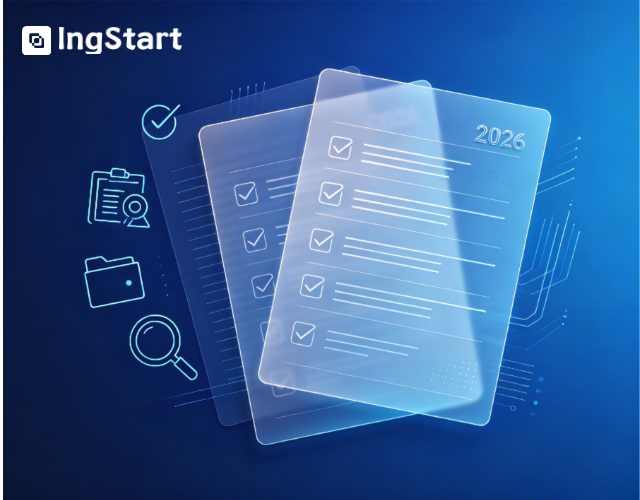
ODI Filing 2026 Checklist for Chinese Companies
Corporate Documents
- Chinese business license
- Articles of Association
- Board or shareholder resolutions
- Shareholding structure chart
- Legal representative identification
Financial Documents
- Audited financial statements
- Recent corporate bank statements
- Proof of compliant funding
- Capital utilization plan
Project Documents
- ODI filing forms
- Feasibility study
- Due diligence reports
- Investment agreement or Letter of Intent
- Overseas company documents
Compliance Documents
- Corporate credit report
- Overseas partner information
- Certified translations where required
Common ODI Filing 2026 Mistakes Chinese Companies Should Avoid
To improve approval efficiency, Chinese companies should pay attention to several key compliance issues:
Keep Every Submission Consistent
The overseas company name, investment amount, destination, ownership structure, and project information should remain identical across all application documents.
Submit Authentic Documents
Authorities increasingly verify supporting materials. Any inaccurate or unverifiable information may delay or jeopardize approval.
Follow the Correct Approval Process
Chinese companies should complete the required ODI approval procedures before arranging any overseas capital transfer.
Pay Extra Attention to Sensitive Investments
Projects involving sensitive industries, destinations, or large investment amounts are generally subject to additional review and documentation requirements.
Final Thoughts
For Chinese companies expanding abroad, ODI Filing 2026 is much more than an administrative procedure. Success depends on careful preparation long before the application is submitted.
By preparing a transparent source of funds, a complete ownership structure, and well-documented pre-investment records, businesses can significantly improve the efficiency of the filing process while reducing compliance risks.
Whether you're establishing an overseas subsidiary, acquiring a foreign business, or building an international corporate structure, early preparation is the key to a smoother ODI approval.
IngStart – Global Company Registration helps Chinese entrepreneurs and businesses expand globally with company incorporation, overseas corporate structuring, and cross-border compliance support. Combined with proper ODI preparation, these services provide a solid foundation for successful international expansion.